India’s 2026 Economic Pulse: A Socio-Economic Overview of Interconnected Crises
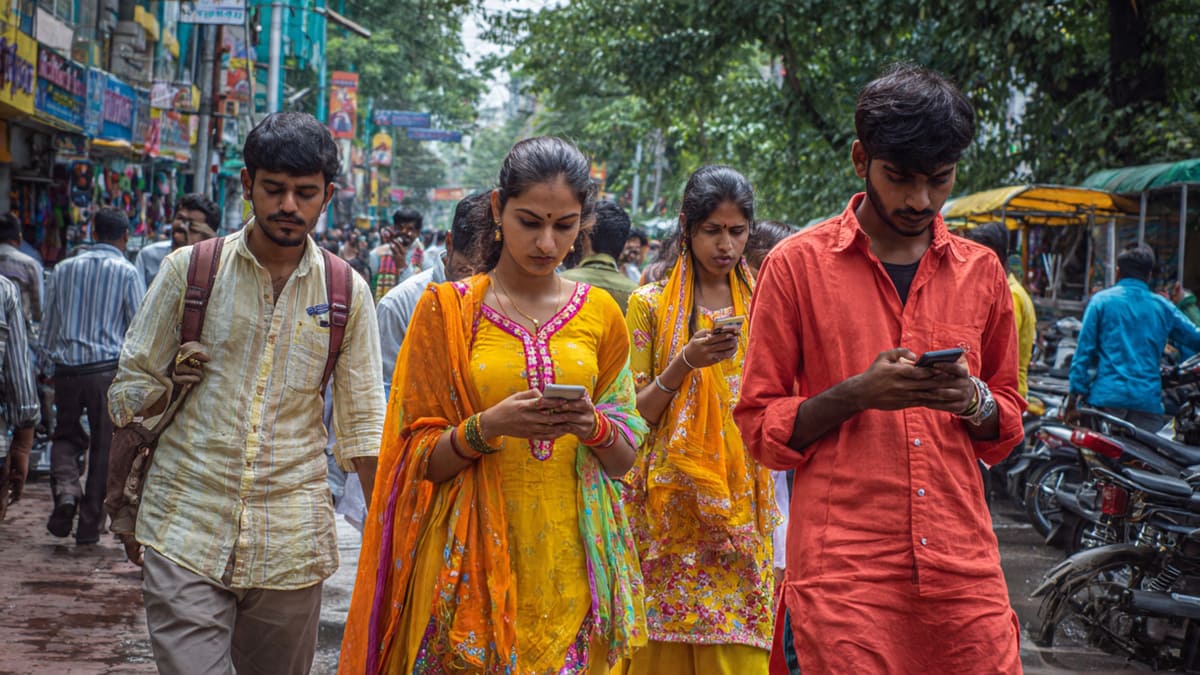
India’s 2026 Economic Pulse: A Socio-Economic Overview of Interconnected Crises
The rejection of the US trade deal at the grassroots level serves as a primary indicator of the disconnect between executive policy and public consent, reinforcing the “electoral autocracy” narrative that deters international stakeholders.
By Rakesh Raman
New Delhi | April 2, 2026
As we navigate the fiscal landscape of April 2026, the Indian economy presents a complex case study in systemic fragility. For the policy analyst and the student of economics, the current “Economic Pulse” reveals a symbiotic relationship between labor market dysfunction, the deterioration of governance indicators, and the subsequent flight of global capital. This report synthesizes these variables to illustrate how a lack of democratic transparency and a mismatched labor force create a feedback loop of socio-political instability.