India Classified as Managed Democracy in 2026
The RMN Democracy Monitor’s September 2026 report classifies India as a ‘Managed Democracy’ with a 3 out of 10 score, highlighting severe institutional, economic, and press freedom challenges.
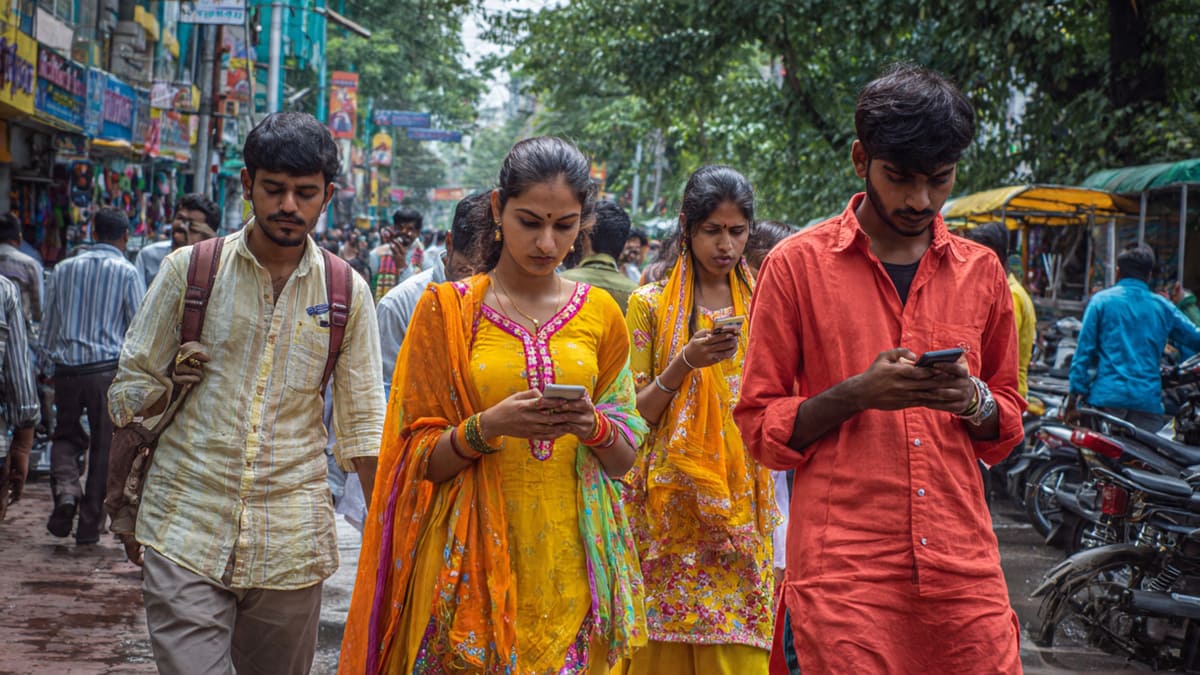
The RMN Democracy Monitor’s September 2026 report classifies India as a ‘Managed Democracy’ with a 3 out of 10 score, highlighting severe institutional, economic, and press freedom challenges.
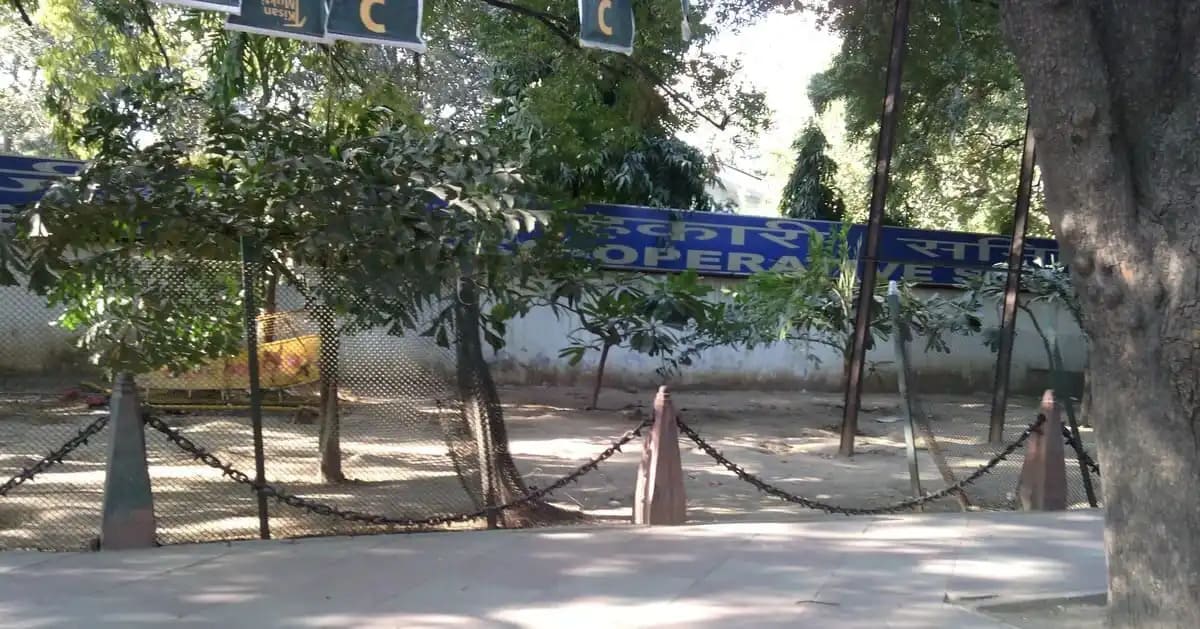
Process for Residents to File Complaints Against Housing Societies in Delhi
“Clean House” runs as a community court to report about crime and corruption happening in Delhi’s cooperative group housing societies.
By Rakesh Raman
New Delhi | August 1, 2026
Introduction
The cooperative group housing societies (CGHS) of Delhi have become dangerous centres of crime and corruption. The crimes in these housing societies are being committed by the management committee (MC) members or administrators in connivance with the corrupt officials of Registrar Cooperative Societies (RCS) of Delhi Government, Delhi Development Authority (DDA), Delhi Police, Delhi Pollution Control Committee (DPCC), and a few other departments.
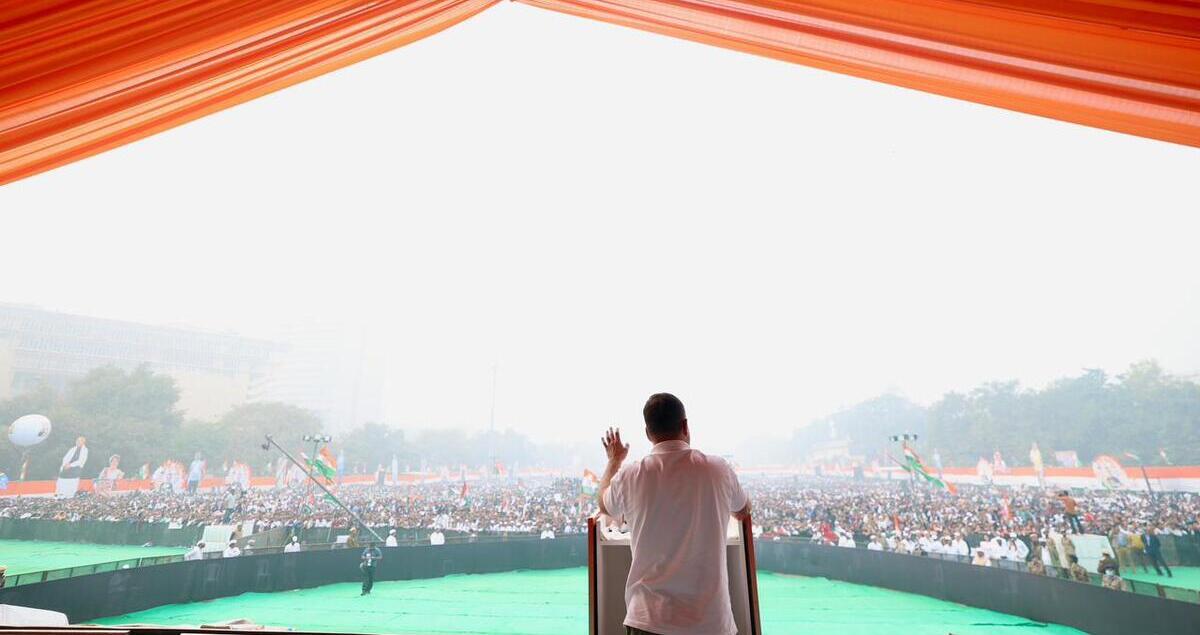
Rahul Gandhi’s failure to sustain political campaigns against Prime Minister Modi undermines India’s democracy. Explore the “Barking Dog Theory” and why a weak opposition leads to unchecked institutional capture today.