Archive: April 26, 2026

A Delhi Government School. Photo: Rakesh Raman / RMN News Service

The Relevance of the Constructive Education Framework (CEF) in Modernizing India’s Education System
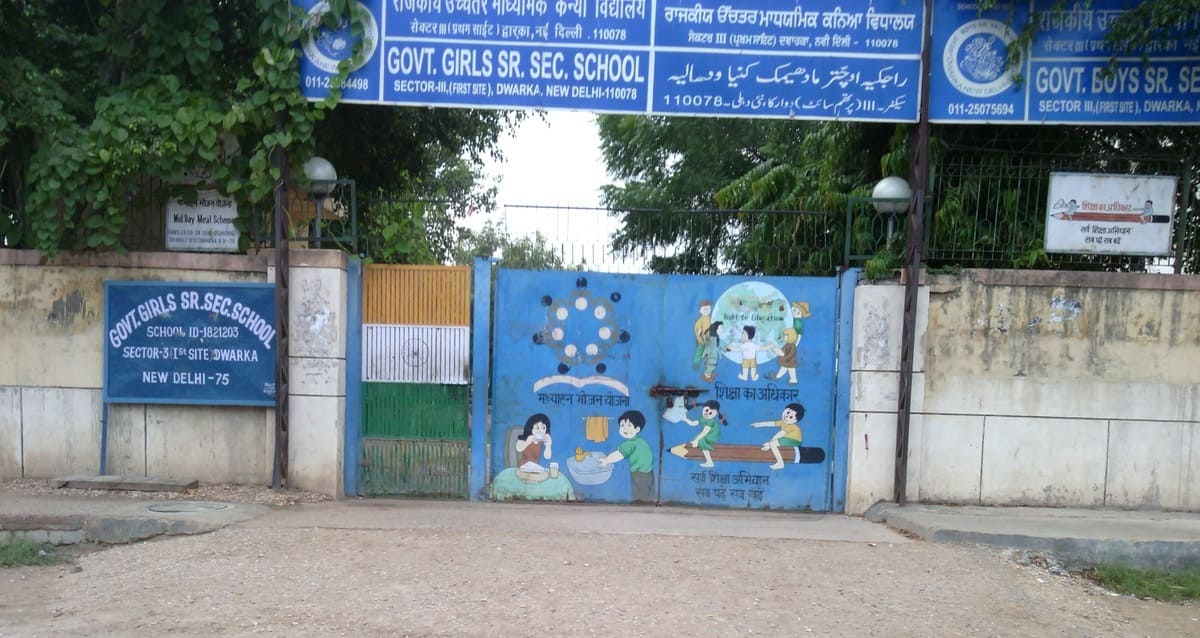
A Delhi Government School. Photo: Rakesh Raman / RMN News Service

The Relevance of the Constructive Education Framework (CEF) in Modernizing India’s Education System

The Constructive Education Framework is the only viable path to transforming India’s “dependent, idle society” into a moral, prosperous, and employable workforce.

By Rakesh Raman
New Delhi | April 26, 2026

1. The Impetus for Radical Reform: Analyzing the Employability Crisis

The Indian education landscape is not merely underperforming; it has metastasized into a national security risk. The legacy pedagogical infrastructure has failed so fundamentally that it now functions as a “timebomb,” producing millions of “literate but illiterate” youth whose degrees hold zero utility in an information-driven economy. This is no longer a localized academic issue but a strategic crisis of human capital. Without an immediate, surgical shift in our educational paradigm, the escalating distress and hopelessness among the unemployed will inevitably trigger widespread socio-economic unrest and civil instability. read more
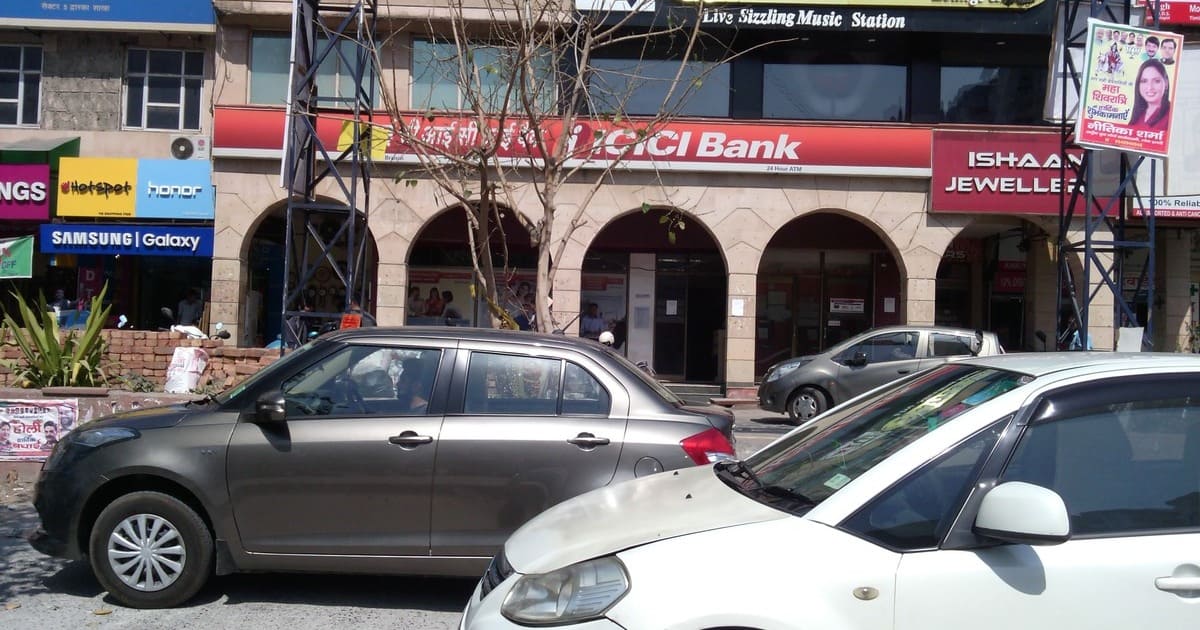
ICICI Bank. Photo: Rakesh Raman | RMN News Service

Right to Privacy Report: The Erosion of Fundamental Rights via Institutionalised Digital Harassment at ICICI Bank

ICICI Bank. Photo: Rakesh Raman | RMN News Service

Right to Privacy Report: The Erosion of Fundamental Rights via Institutionalised Digital Harassment at ICICI Bank

Until financial institutions are compelled to respect informational self-determination, India’s digital transformation will remain technologically advanced but democratically hollow.

RMN Foundation Fundamental Rights Report
New Delhi | April 21, 2026

Overview: Digital Banking as a Tool for Rights Abuse

The transition to digital banking in India is increasingly being marred by what the RMN Foundation identifies as institutionalised digital harassment. Under the guise of “regulatory compliance,” financial institutions like ICICI Bank are accused of launching a relentless barrage of KYC (Know Your Customer) emails, SMS alerts, and automated warnings that constitute a direct assault on the fundamental right to privacy. This conduct persists despite the landmark 2017 Supreme Court judgment in Justice K.S. Puttaswamy (Retd.) vs Union of India, which established privacy as intrinsic to life and personal liberty under Article 21. read more

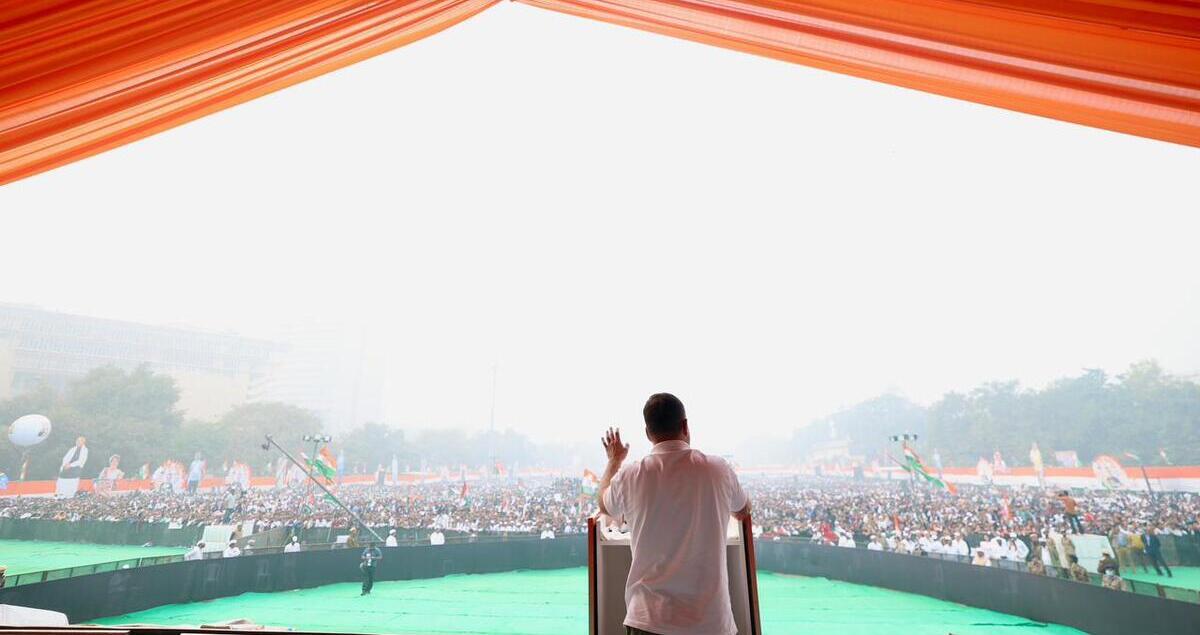
Congress leader and Leader of Opposition in the Lok Sabha Rahul Gandhi addressing a public rally “Vote Chor Gaddi Chhod” at Ramlila Maidan in New Delhi on December 14, 2025. Photo: Congress

Beyond the Headlines: 5 Disruptive Realities Reshaping Our World in 2026

Congress leader and Leader of Opposition in the Lok Sabha Rahul Gandhi addressing a public rally “Vote Chor Gaddi Chhod” at Ramlila Maidan in New Delhi on December 14, 2025. Photo: Congress

Beyond the Headlines: 5 Disruptive Realities Reshaping Our World in 2026

The disruptive realities of 2026 point toward a singular, terrifying theme: the collision of technological acceleration and systemic corruption.

By Rakesh Raman
New Delhi | April 17, 2026

The veneer of institutional stability is cracking. As we navigate the midpoint of 2026, the buzzing of a mosquito in a sweltering Delhi alleyway is no longer just a seasonal nuisance; it is as much a sign of state collapse as a rigged election or a manipulated stock market. The “unrest” we feel today is not merely background noise or a string of unfortunate events. It is an epistemological crisis—a fundamental shift in how power is wielded and how data is laundered to manufacture a reality that no longer exists. To understand our current moment, we must look past the superficial headlines and into the systemic rot and high-tech acceleration redefining our global existence. read more