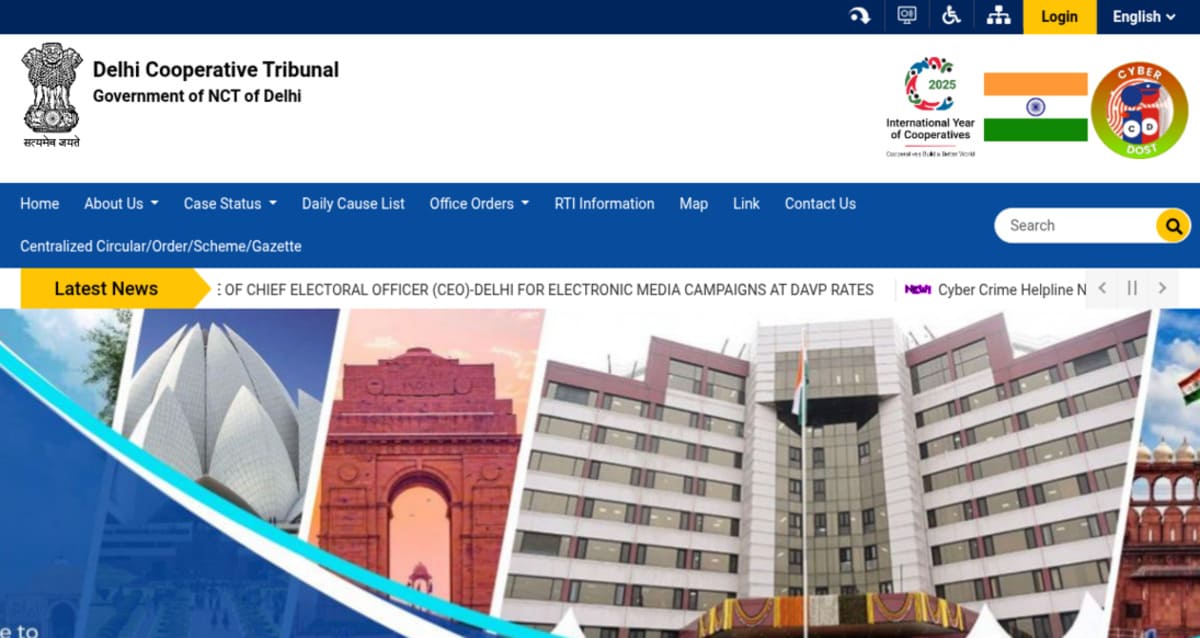
RMN Foundation Alleges Denial of Access to Justice Amidst Systematic Digital Failure at Delhi Cooperative Tribunal
The foundation’s investigation into the DCT’s operations revealed a startling lack of institutional transparency.
RMN Foundation Law & Justice Desk
New Delhi | March 29, 2026
NEW DELHI — The RMN Foundation, a humanitarian organization dedicated to assisting disadvantaged and distressed citizens, has formally raised alarms over what it describes as a systemic breakdown of digital access and judicial transparency at the Delhi Cooperative Tribunal (DCT). The foundation asserts that these technical and administrative failures constitute a significant barrier to justice for residents of Delhi’s cooperative housing societies.
A Digital Wall to Justice
The RMN Foundation, led by journalist and social activist Rakesh Raman, reports that the DCT’s official digital platform has become effectively non-functional. Users attempting to track cases or find essential information are frequently met with “No content available” messages in critical sections, including “Contact Us” and “RTI Information”.
According to the foundation, these disruptions are not mere technical glitches; they represent a fundamental denial of the right to a fair and transparent judicial process. In an era where digital infrastructure is vital for judicial accountability, the absence of functional online systems prevents litigants from effectively tracking and pursuing their cases.
Lack of Transparency and Accountability
The foundation’s investigation into the DCT’s operations revealed a startling lack of institutional transparency. Key findings include:
- Anonymity of Officials: The tribunal fails to disclose the names or designations of its members, judges, or administrative officers.
- Communication Gaps: No official email addresses or digital communication channels are provided for the public.
- Defective Notices: Official communications are often issued without identifying the signing authority and contain significant drafting errors that hinder a litigant’s ability to respond effectively.
Furthermore, the foundation highlighted the DCT’s failure to provide video conferencing facilities or remote participation mechanisms, which disproportionately affects those unable to attend hearings physically.
Formal Complaint Filed
On March 23, 2026, the RMN Foundation submitted an administrative complaint to the Hon’ble Lieutenant Governor of Delhi and the Registrar General of the Delhi High Court. The complaint details the tribunal’s non-compliance with the Right to Information (RTI) Act, specifically the failure to provide suo motu disclosures regarding its organizational structure and decision-making processes.
The foundation argues that these deficiencies lead to an erosion of public confidence in quasi-judicial mechanisms and create insurmountable barriers for citizens seeking redress.
Compounding Grievance Barriers
The struggle for accountability has faced further hurdles. While the Office of the Chief Minister of Delhi acknowledged the complaint, the foundation encountered additional digital obstacles when attempting to use the CM Jan Sunwai Portal. A reduction in permissible attachment sizes to 500 KB has reportedly restricted the foundation’s ability to submit comprehensive supporting evidence, raising further concerns about the accessibility of digital grievance systems in the capital.
The RMN Foundation continues to call for an immediate administrative audit and the modernization of the DCT to ensure that the tribunal adheres to the basic standards of transparency and accountability expected of a judicial body.
Donation to RMN Foundation