Rahul Gandhi’s failure to sustain political campaigns against Prime Minister Modi undermines India’s democracy. Explore the “Barking Dog Theory” and why a weak opposition leads to unchecked institutional capture today.
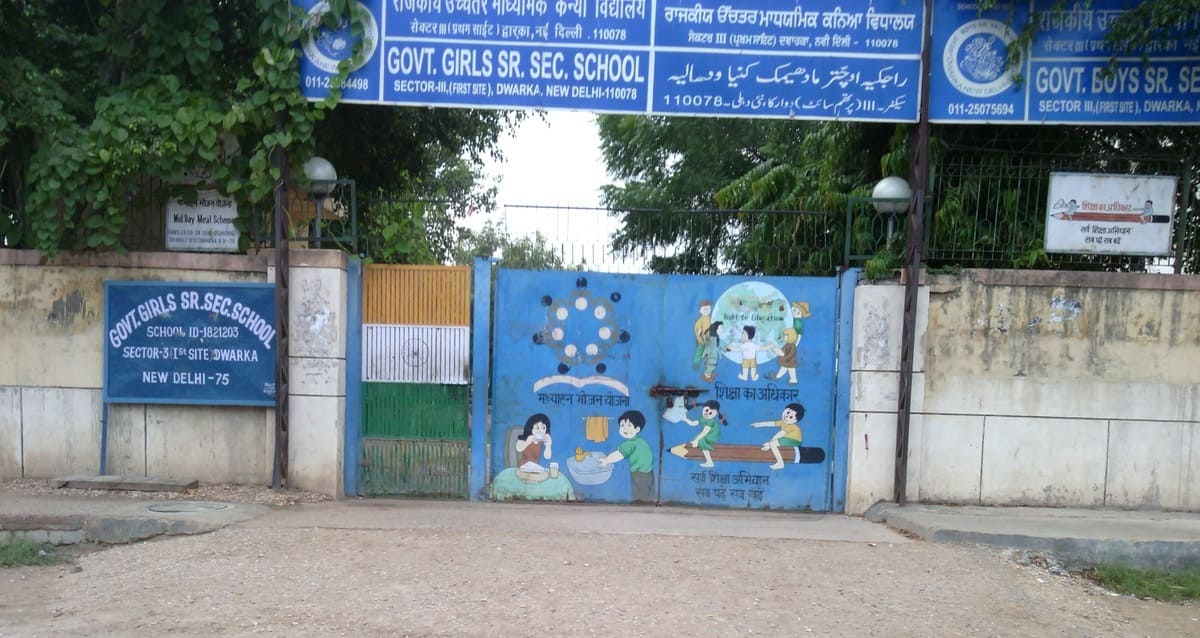
A Delhi Government School. Photo: Rakesh Raman / RMN News Service
The Relevance of the Constructive Education Framework (CEF) in Modernizing India’s Education System
The Constructive Education Framework is the only viable path to transforming India’s “dependent, idle society” into a moral, prosperous, and employable workforce.
1. The Impetus for Radical Reform: Analyzing the Employability Crisis
The Indian education landscape is not merely underperforming; it has metastasized into a national security risk. The legacy pedagogical infrastructure has failed so fundamentally that it now functions as a “timebomb,” producing millions of “literate but illiterate” youth whose degrees hold zero utility in an information-driven economy. This is no longer a localized academic issue but a strategic crisis of human capital. Without an immediate, surgical shift in our educational paradigm, the escalating distress and hopelessness among the unemployed will inevitably trigger widespread socio-economic unrest and civil instability.read more
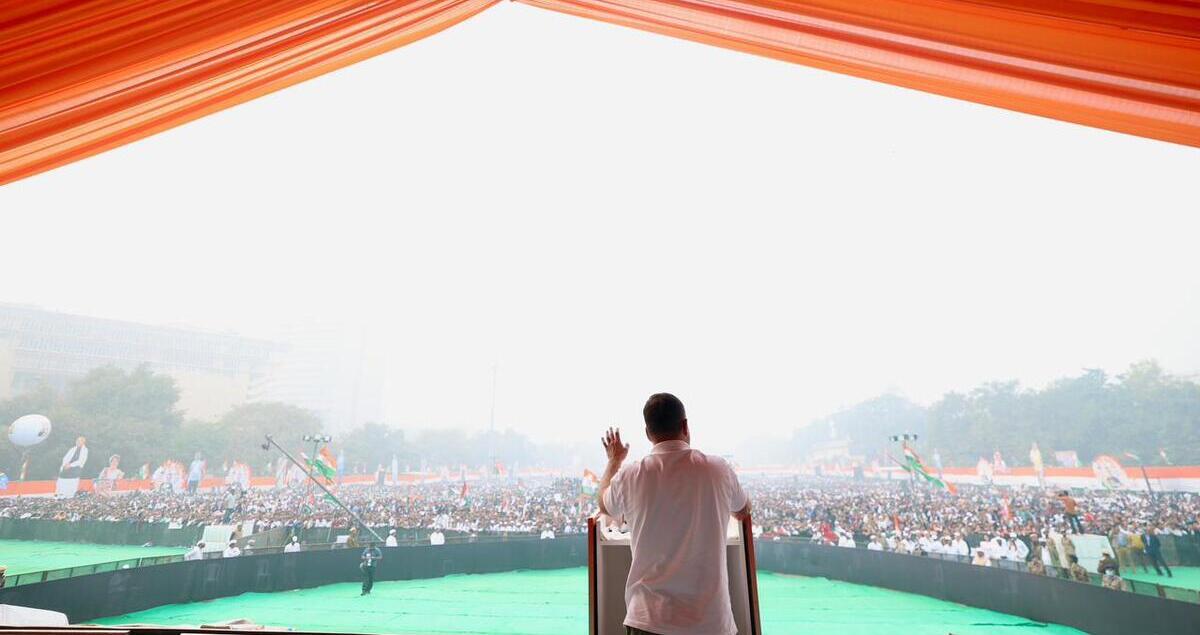
Congress leader and Leader of Opposition in the Lok Sabha Rahul Gandhi addressing a public rally “Vote Chor Gaddi Chhod” at Ramlila Maidan in New Delhi on December 14, 2025. Photo: Congress
Beyond the Headlines: 5 Disruptive Realities Reshaping Our World in 2026
The disruptive realities of 2026 point toward a singular, terrifying theme: the collision of technological acceleration and systemic corruption.
The veneer of institutional stability is cracking. As we navigate the midpoint of 2026, the buzzing of a mosquito in a sweltering Delhi alleyway is no longer just a seasonal nuisance; it is as much a sign of state collapse as a rigged election or a manipulated stock market. The “unrest” we feel today is not merely background noise or a string of unfortunate events. It is an epistemological crisis—a fundamental shift in how power is wielded and how data is laundered to manufacture a reality that no longer exists. To understand our current moment, we must look past the superficial headlines and into the systemic rot and high-tech acceleration redefining our global existence.read more