Category: Slider

Smokescreen Report. AI-generated representational image of men and women standing outside a polling booth to vote in an Indian election. Photo: RMN News Service

The Smokescreen 2026: Voting Without Verification and the Collapse of Electoral Accountability in India
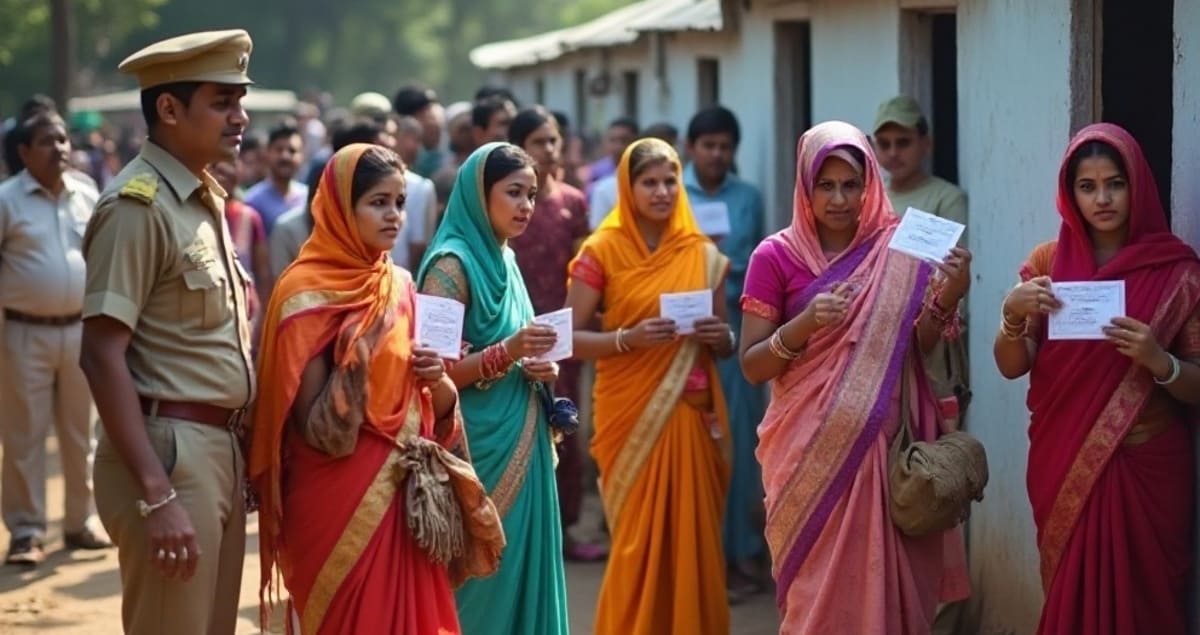
Smokescreen Report. AI-generated representational image of men and women standing outside a polling booth to vote in an Indian election. Photo: RMN News Service

The Smokescreen 2026: Voting Without Verification and the Collapse of Electoral Accountability in India

Democracy does not die only through coups or emergency declarations. It can also die quietly—through procedures that look lawful, elections that look competitive, and institutions that look independent, while collectively ensuring that outcomes are never meaningfully questioned.

By Rakesh Raman
New Delhi | March 27, 2026

India is routinely described as the world’s largest democracy. Yet, beneath the spectacle of record voter turnout, election festivals, and official slogans celebrating democratic participation, a deeper and more troubling reality has taken hold: Indian citizens are increasingly asked to vote without any credible means to verify where their vote ultimately goes. read more
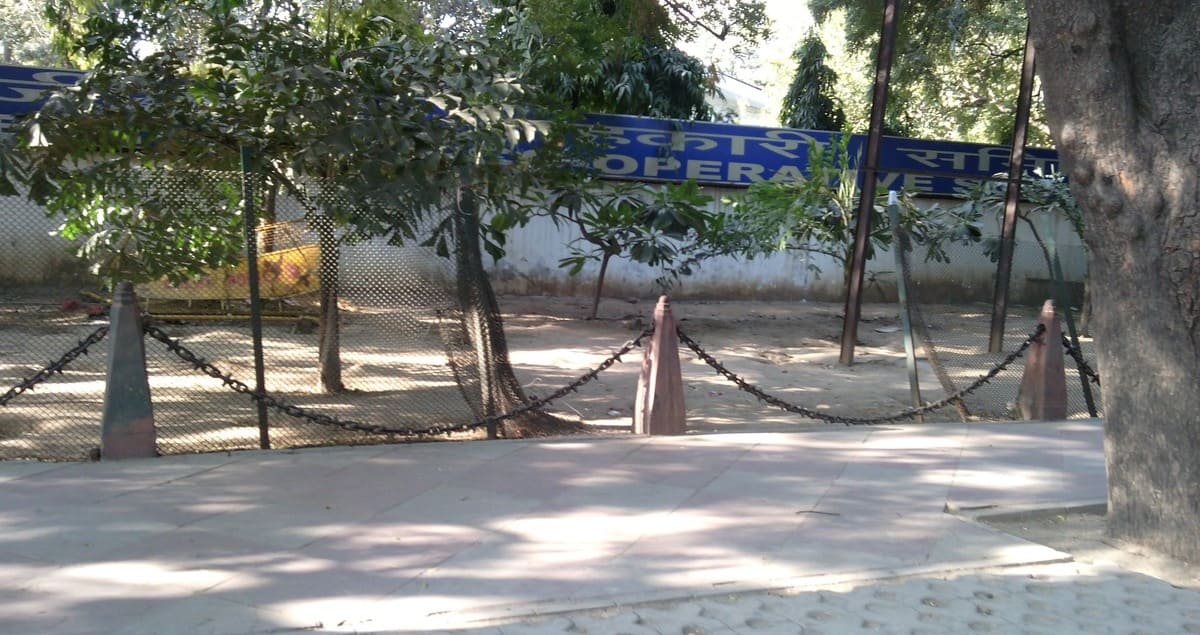
Office of the Registrar Cooperative Societies (RCS) of Delhi Government, which is among the most corrupt departments of India. Photo: Rakesh Raman / RMN News Service

Monitoring Power: A Journalism Case Review of Institutional Accountability

Office of the Registrar Cooperative Societies (RCS) of Delhi Government, which is among the most corrupt departments of India. Photo: Rakesh Raman / RMN News Service

Monitoring Power: A Journalism Case Review of Institutional Accountability

By Rakesh Raman
New Delhi | March 4, 2026

1. The Foundation of Independent Oversight

In an era where digital news is often ephemeral and prone to manipulation, independent outlets like RMN News Service and its flagship publication The Unrest are redefining the architecture of media accountability. This methodology, which I term “Scholarly Journalism,” serves as a structural defense against the transience of digital discourse.

By utilizing the Zenodo open research platform—operated by CERN under the OpenAIRE program—these reports are not merely articles but permanent, scholarly artifacts. Assigned unique Digital Object Identifiers (DOIs), these investigations are transformed into citable, immutable records that resist institutional erasure and provide a durable evidentiary base for public scrutiny. read more

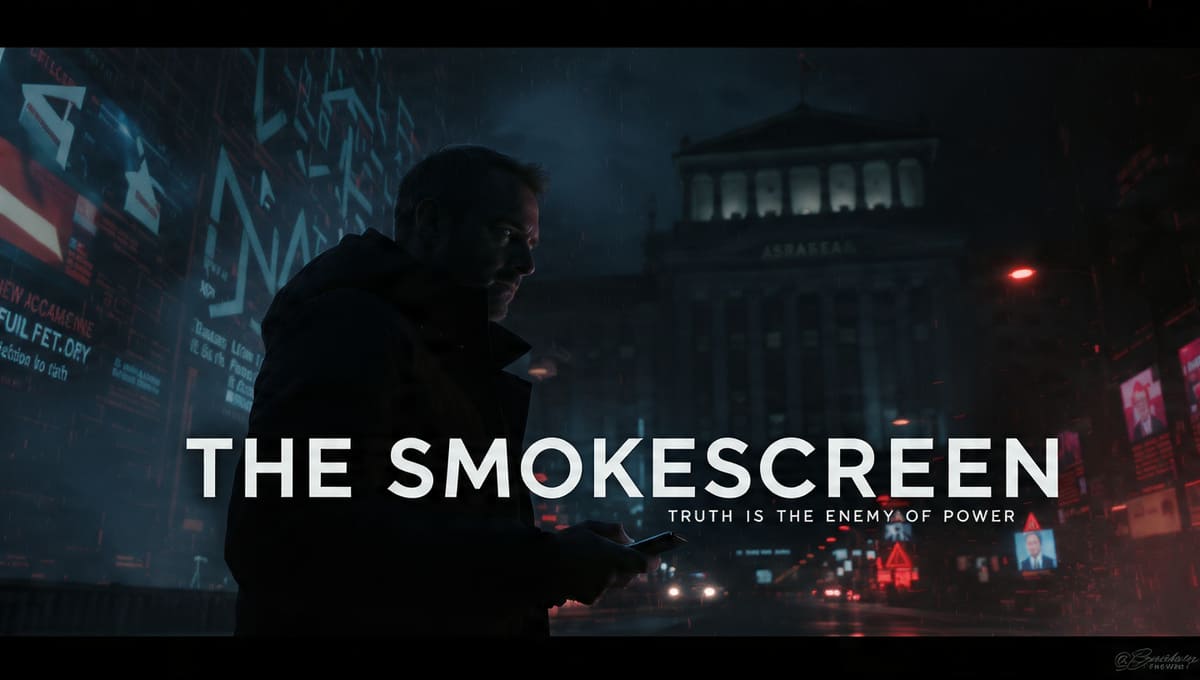
THE SMOKESCREEN — A High-Voltage Political Thriller Film Project by Rakesh Raman

Guide to Decoding Managed Illusions: Identifying Political Propaganda in Entertainment

THE SMOKESCREEN — A High-Voltage Political Thriller Film Project by Rakesh Raman

Guide to Decoding Managed Illusions: Identifying Political Propaganda in Entertainment

In an era of managed illusions, the ultimate democratic act is the ability to perceive the rhythmic fluctuations of power hidden behind the cinematic smokescreen.

By Rakesh Raman
New Delhi | February 17, 2026

1. Introduction: The Concept of the “Managed Illusion”

In the contemporary landscape of political communication, the traditional boundary between a functioning democracy and a carefully orchestrated performance has collapsed. To analyze this shift, we must employ the semiotic framework of the “managed illusion.” This term describes a state of institutional hollowing where the signifiers of democracy remain present while the underlying democratic substance has been extracted.

Definition: Managed Illusion: A “managed illusion” refers to a political environment where the aesthetic architecture of democracy—including elections, judicial proceedings, and a free press—is maintained as a facade to mask systemic institutional capture. In this state, public discourse is not a product of organic civic engagement but a scripted narrative managed by dominant political actors to manufacture consent and obscure authoritarian drift. read more