Safeguarding Democracy and Human Rights in the Digital Age

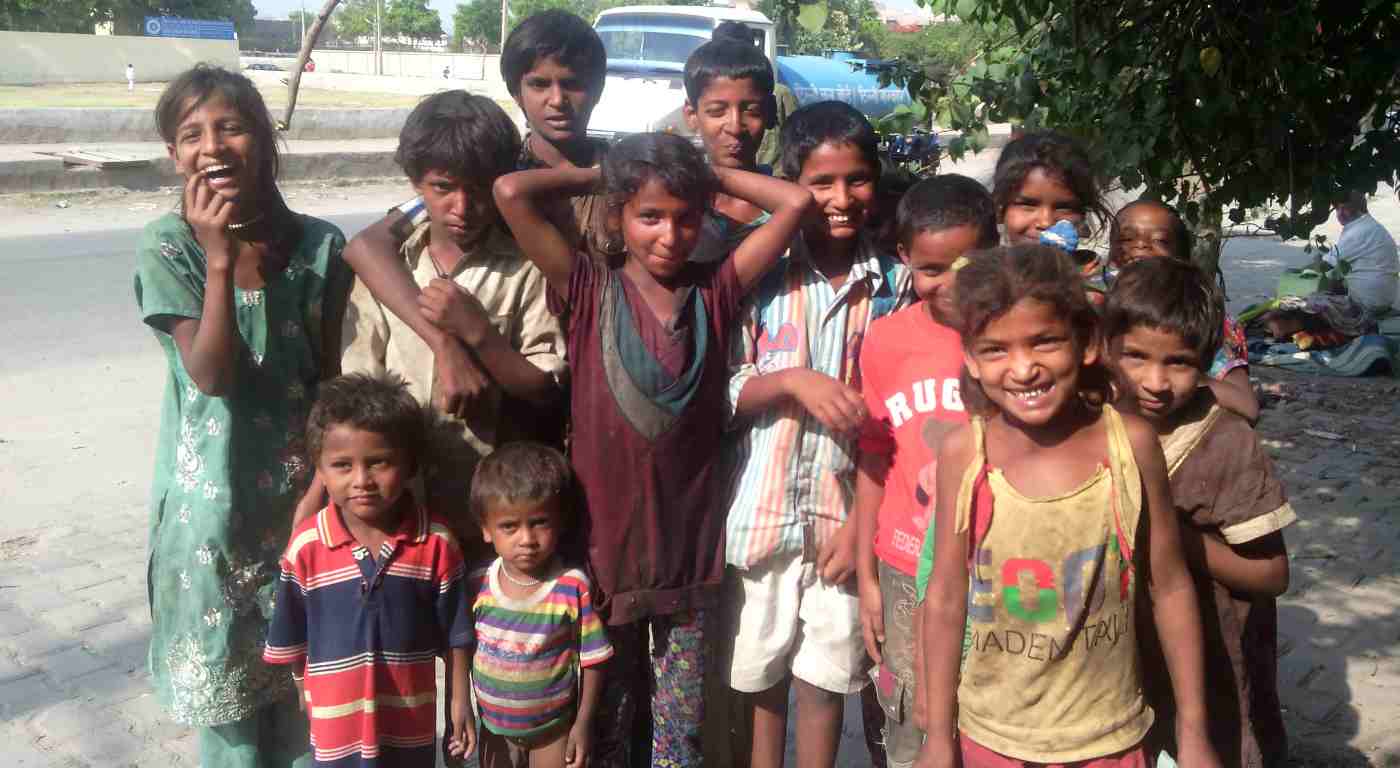
Poor children who live and sleep on the open pavements in India’s capital New Delhi. Photo: Rakesh Raman / RMN News Service (Representational Image)

Safeguarding Democracy and Human Rights in the Digital Age
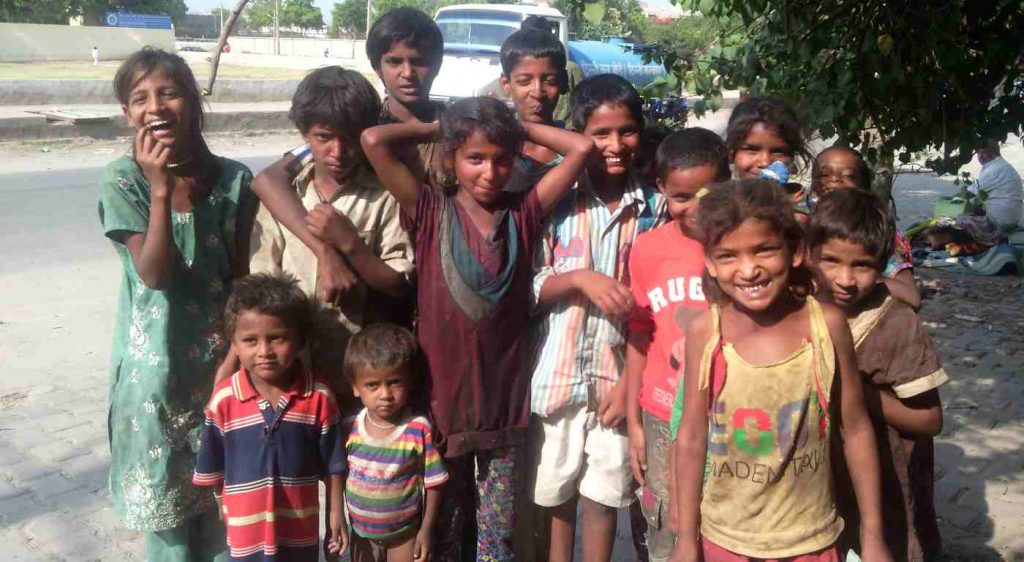
Poor children who live and sleep on the open pavements in India’s capital New Delhi. Photo: Rakesh Raman / RMN News Service (Representational Image)

Safeguarding Democracy and Human Rights in the Digital Age

The Digital Democracy Initiative works closely with civil society partners CIVICUS, Global Focus, Digital Defenders Partnership, and Access Now. 

As autocrats are increasingly misusing digital platforms to spread fake news, suppress dissenting voices, and deprive people of their fundamental rights, new programs are required to protect people’s rights in the technology-driven world.

In this direction, the Digital Democracy Initiative (DDI) is a program aimed at safeguarding inclusive democracy and human rights in the digital age. The DDI focuses on support to local civil society in the Global South, particularly in countries undergoing democratic regression and where civic space is under pressure. read more

E-Filing Module of the Supreme Court of India

Why E‑Filing Systems and E‑Courts Fail to Deliver Justice in India

E-Filing Module of the Supreme Court of India
E‑Filing Module of the Supreme Court of India

Why E‑Filing Systems and E‑Courts Fail to Deliver Justice in India

The excerpts from the Research Report: Defective E‑Filing Systems of Indian Courts are given below. You can also download and read the full report.

One of the reasons for chaotic e‑filing platforms is the inconsistent use of GUIs. The interfaces provided by the Supreme Court, high courts, and lower courts are totally different while they are supposed to serve the same objective of accepting legal documents online and presenting them in the courts. read more

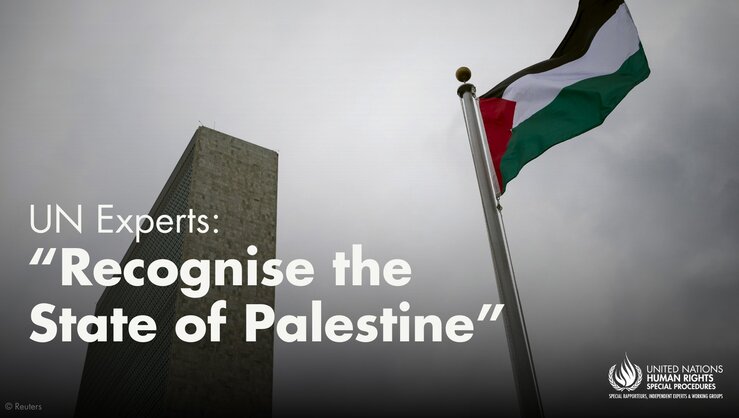
UN Experts Urge All States to Recognise State of Palestine. Photo: UN Human Rights Office

UN Experts Urge All States to Recognise State of Palestine

UN Experts Urge All States to Recognise State of Palestine. Photo: UN Human Rights Office

UN Experts Urge All States to Recognise State of Palestine

As of 28 May 2024, the State of Palestine was recognised by the vast majority of Member States of the United Nations.

All States must follow the example of 146 United Nations Member States and recognise the State of Palestine and use all political and diplomatic resources at their disposal to bring about an immediate ceasefire in Gaza, UN experts said on June 3.

“This recognition is an important acknowledgement of the rights of the Palestinian people and their struggles and suffering towards freedom and independence,” the experts said. read more