Archive: March 31, 2026

AI-edited Screengrab from the Trailer of Dhurandhar: The Revenge Bollywood Film

The Architecture of Autocracy: Propaganda, Transnational Repression, and the Poisoning of Indian Culture

AI-edited Screengrab from the Trailer of Dhurandhar: The Revenge Bollywood Film

The Architecture of Autocracy: Propaganda, Transnational Repression, and the Poisoning of Indian Culture

The RMN Foundation maintains that the current “narrative building” in India mirrors the “Gleichschaltung” of 1930s Germany.

By Rakesh Raman
New Delhi | March 31, 2026

As the world enters the second quarter of 2026, the RMN Foundation is sounding a global alarm. The “Smokescreen” of manufactured narratives in India is no longer just a domestic issue; it has become a central component of a regime-led strategy to mask transnational repression and systemic democratic decay.

1. The Institutional Verdict: V‑Dem & USCIRF 2026

The latest institutional reports confirm the dark reality that the RMN Foundation has consistently highlighted. read more
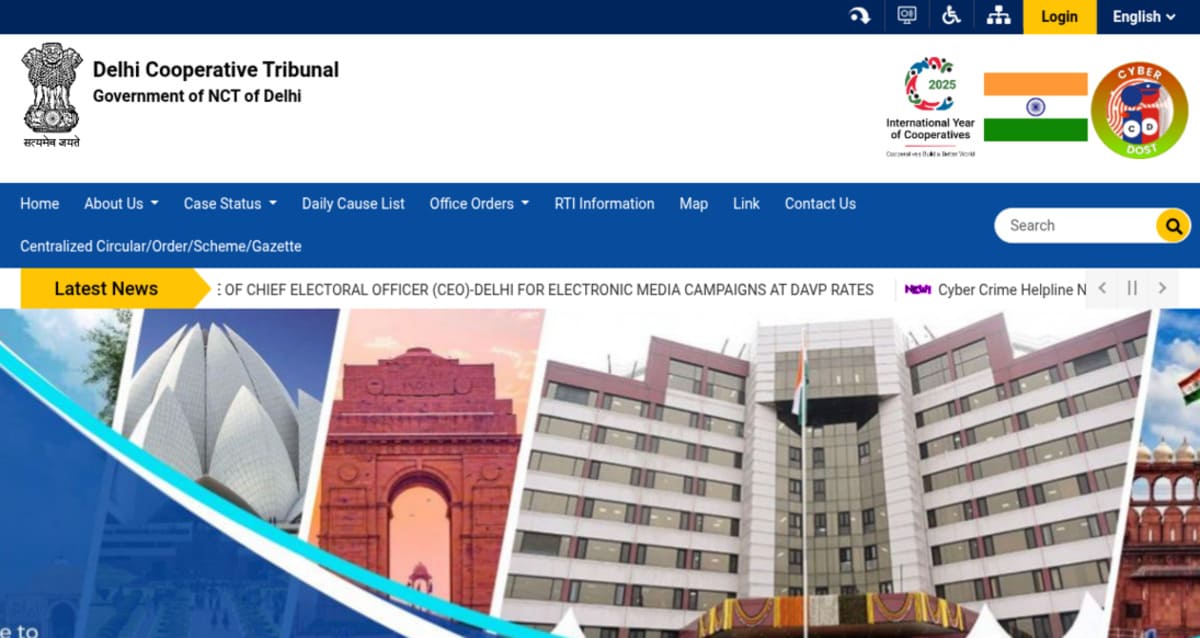
Sketchy and Incomplete Delhi Cooperative Tribunal website

RMN Foundation Alleges Denial of Access to Justice Amidst Systematic Digital Failure at Delhi Cooperative Tribunal

Sketchy and Incomplete Delhi Cooperative Tribunal website

RMN Foundation Alleges Denial of Access to Justice Amidst Systematic Digital Failure at Delhi Cooperative Tribunal

The foundation’s investigation into the DCT’s operations revealed a startling lack of institutional transparency.

RMN Foundation Law & Justice Desk
New Delhi | March 29, 2026

NEW DELHI — The RMN Foundation, a humanitarian organization dedicated to assisting disadvantaged and distressed citizens, has formally raised alarms over what it describes as a systemic breakdown of digital access and judicial transparency at the Delhi Cooperative Tribunal (DCT). The foundation asserts that these technical and administrative failures constitute a significant barrier to justice for residents of Delhi’s cooperative housing societies. read more

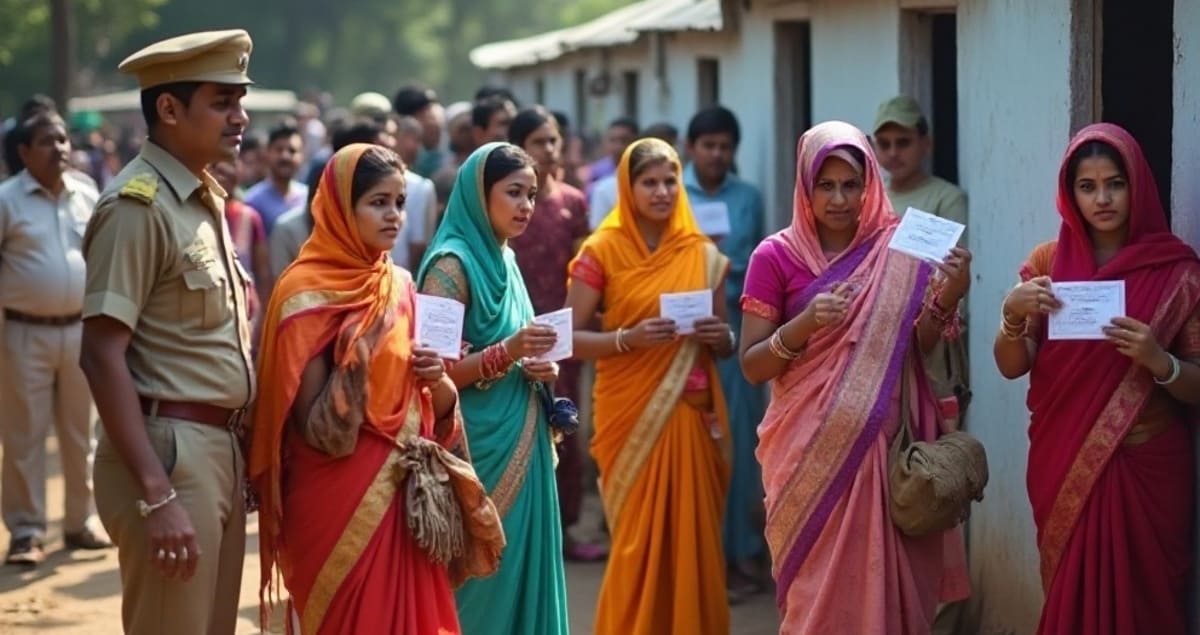
Smokescreen Report. AI-generated representational image of men and women standing outside a polling booth to vote in an Indian election. Photo: RMN News Service

The Smokescreen 2026: Voting Without Verification and the Collapse of Electoral Accountability in India

Smokescreen Report. AI-generated representational image of men and women standing outside a polling booth to vote in an Indian election. Photo: RMN News Service

The Smokescreen 2026: Voting Without Verification and the Collapse of Electoral Accountability in India

Democracy does not die only through coups or emergency declarations. It can also die quietly—through procedures that look lawful, elections that look competitive, and institutions that look independent, while collectively ensuring that outcomes are never meaningfully questioned.

By Rakesh Raman
New Delhi | March 27, 2026

India is routinely described as the world’s largest democracy. Yet, beneath the spectacle of record voter turnout, election festivals, and official slogans celebrating democratic participation, a deeper and more troubling reality has taken hold: Indian citizens are increasingly asked to vote without any credible means to verify where their vote ultimately goes. read more