Archive: March 26, 2026

Pressed Reporter: Humanitarian Service to Protect Journalists and Press Freedom in the World. By RMN News Service / RMN Foundation

Pressed Reporter: Humanitarian Service to Protect Journalists and Press Freedom in the World

Pressed Reporter: Humanitarian Service to Protect Journalists and Press Freedom in the World. By RMN News Service / RMN Foundation

Pressed Reporter: Humanitarian Service to Protect Journalists and Press Freedom in the World

The persecuted or harassed journalists can fill out an online form to submit their basic case details. 

By Rakesh Raman

As press freedom is constantly under attack, the Pressed Reporter service aims to help the persecuted journalists in all parts of the world to defend their fundamental right to report. The word ‘pressed’ in the title Pressed Reporter is a pun used for pressurized or persecuted.

This service is being run by Rakesh Raman who is a national award-winning journalist and founder of the humanitarian organization RMN Foundation in New Delhi, India. He himself has been facing various threats — including death threats — for his editorial and human rights work. read more

Office of the Registrar Cooperative Societies (RCS) of Delhi Government, which is among the most corrupt departments of India. Photo: Rakesh Raman / RMN News Service

Monitoring Power: A Journalism Case Review of Institutional Accountability
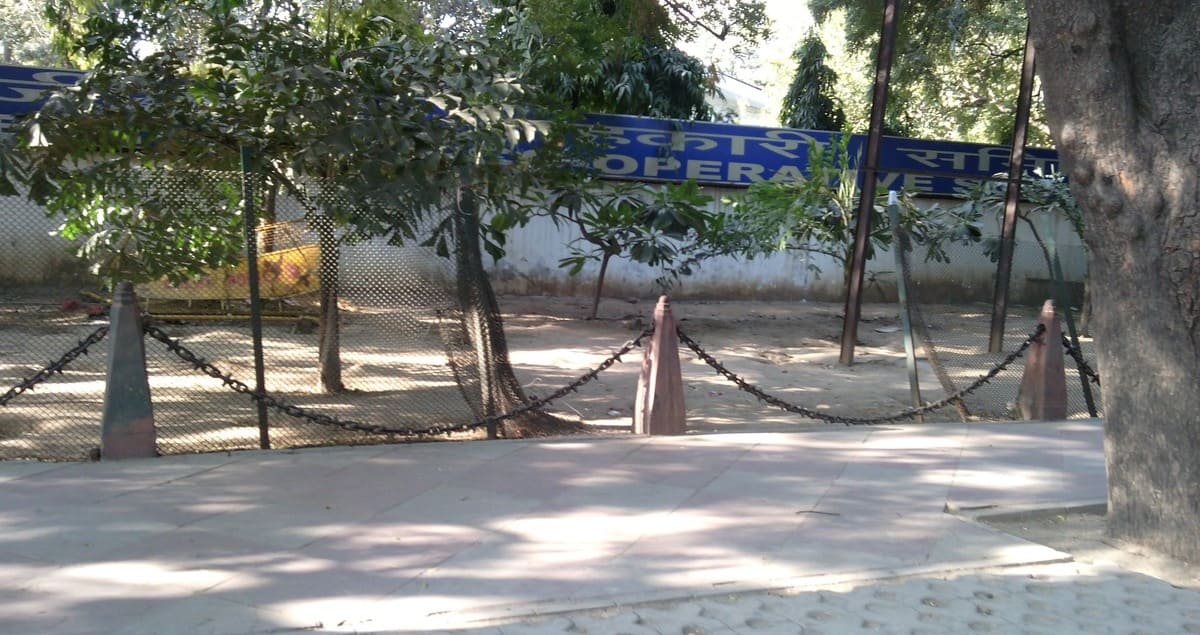
Office of the Registrar Cooperative Societies (RCS) of Delhi Government, which is among the most corrupt departments of India. Photo: Rakesh Raman / RMN News Service

Monitoring Power: A Journalism Case Review of Institutional Accountability

By Rakesh Raman
New Delhi | March 4, 2026

1. The Foundation of Independent Oversight

In an era where digital news is often ephemeral and prone to manipulation, independent outlets like RMN News Service and its flagship publication The Unrest are redefining the architecture of media accountability. This methodology, which I term “Scholarly Journalism,” serves as a structural defense against the transience of digital discourse.

By utilizing the Zenodo open research platform—operated by CERN under the OpenAIRE program—these reports are not merely articles but permanent, scholarly artifacts. Assigned unique Digital Object Identifiers (DOIs), these investigations are transformed into citable, immutable records that resist institutional erasure and provide a durable evidentiary base for public scrutiny. read more