Category: Analysis

Smokescreen Report. AI-generated representational image of men and women standing outside a polling booth to vote in an Indian election. Photo: RMN News Service

The Smokescreen 2026: Voting Without Verification and the Collapse of Electoral Accountability in India
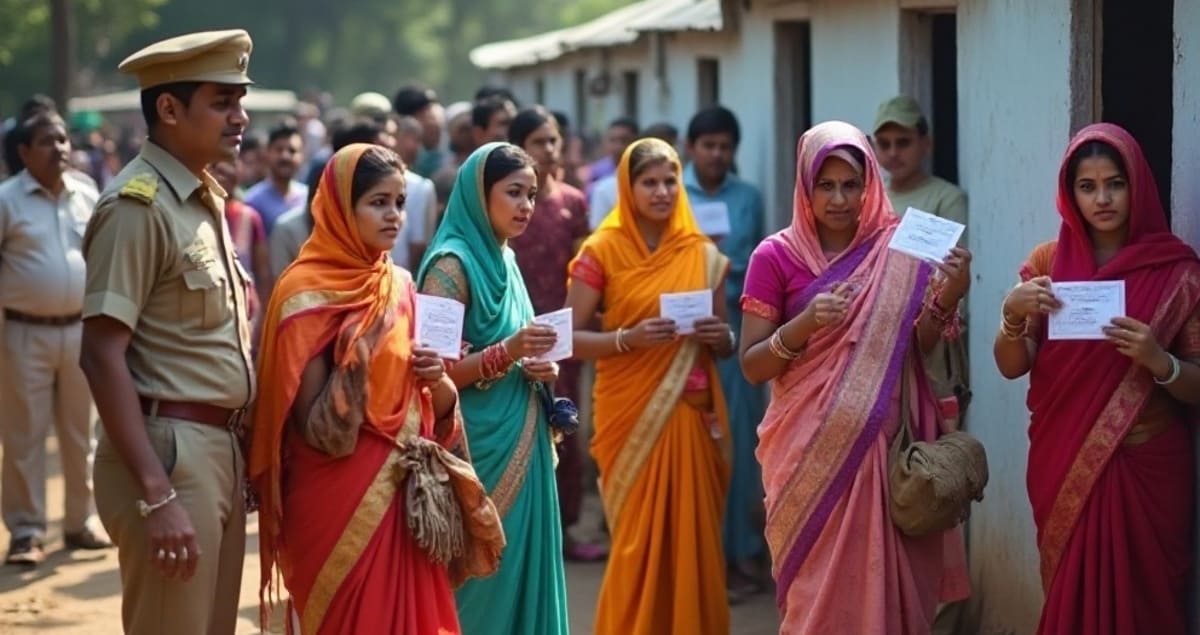
Smokescreen Report. AI-generated representational image of men and women standing outside a polling booth to vote in an Indian election. Photo: RMN News Service

The Smokescreen 2026: Voting Without Verification and the Collapse of Electoral Accountability in India

Democracy does not die only through coups or emergency declarations. It can also die quietly—through procedures that look lawful, elections that look competitive, and institutions that look independent, while collectively ensuring that outcomes are never meaningfully questioned.

By Rakesh Raman
New Delhi | January 26, 2026

India is routinely described as the world’s largest democracy. Yet, beneath the spectacle of record voter turnout, election festivals, and official slogans celebrating democratic participation, a deeper and more troubling reality has taken hold: Indian citizens are increasingly asked to vote without any credible means to verify where their vote ultimately goes. read more
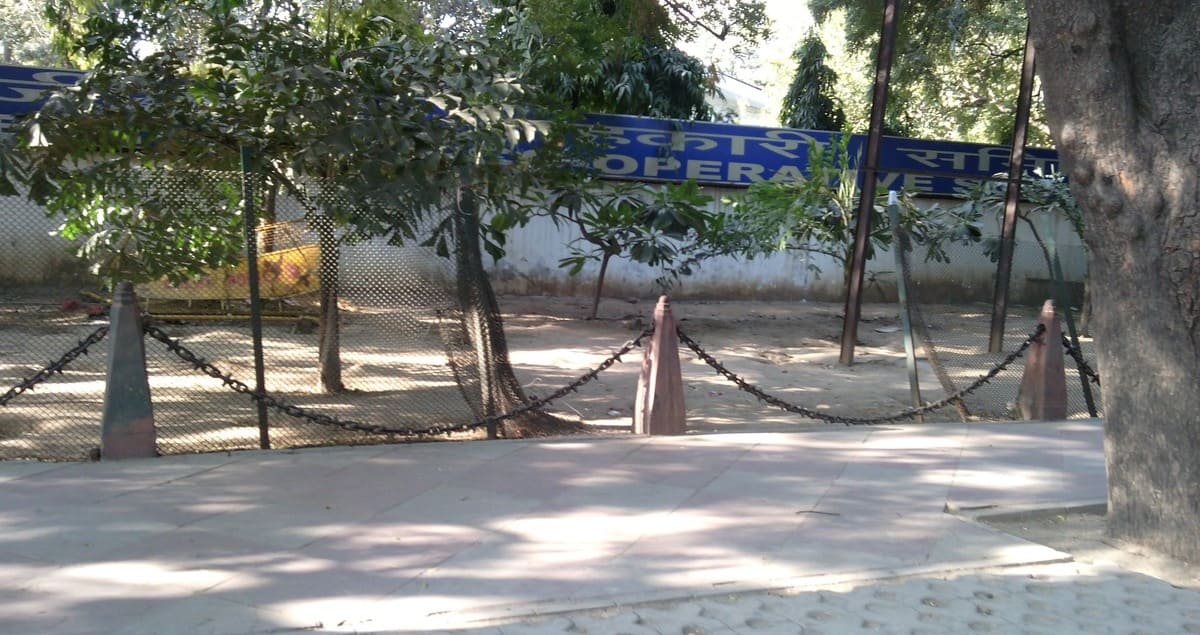
Office of the Registrar Cooperative Societies (RCS) of Delhi Government, which is among the most corrupt departments of India. Photo: Rakesh Raman / RMN News Service

Monitoring Power: A Journalism Case Review of Institutional Accountability

Office of the Registrar Cooperative Societies (RCS) of Delhi Government, which is among the most corrupt departments of India. Photo: Rakesh Raman / RMN News Service

Monitoring Power: A Journalism Case Review of Institutional Accountability

By Rakesh Raman
New Delhi | March 4, 2026

1. The Foundation of Independent Oversight

In an era where digital news is often ephemeral and prone to manipulation, independent outlets like RMN News Service and its flagship publication The Unrest are redefining the architecture of media accountability. This methodology, which I term “Scholarly Journalism,” serves as a structural defense against the transience of digital discourse.

By utilizing the Zenodo open research platform—operated by CERN under the OpenAIRE program—these reports are not merely articles but permanent, scholarly artifacts. Assigned unique Digital Object Identifiers (DOIs), these investigations are transformed into citable, immutable records that resist institutional erasure and provide a durable evidentiary base for public scrutiny. read more

Understanding Corruption in Delhi's Housing Societies | RMN Foundation Report

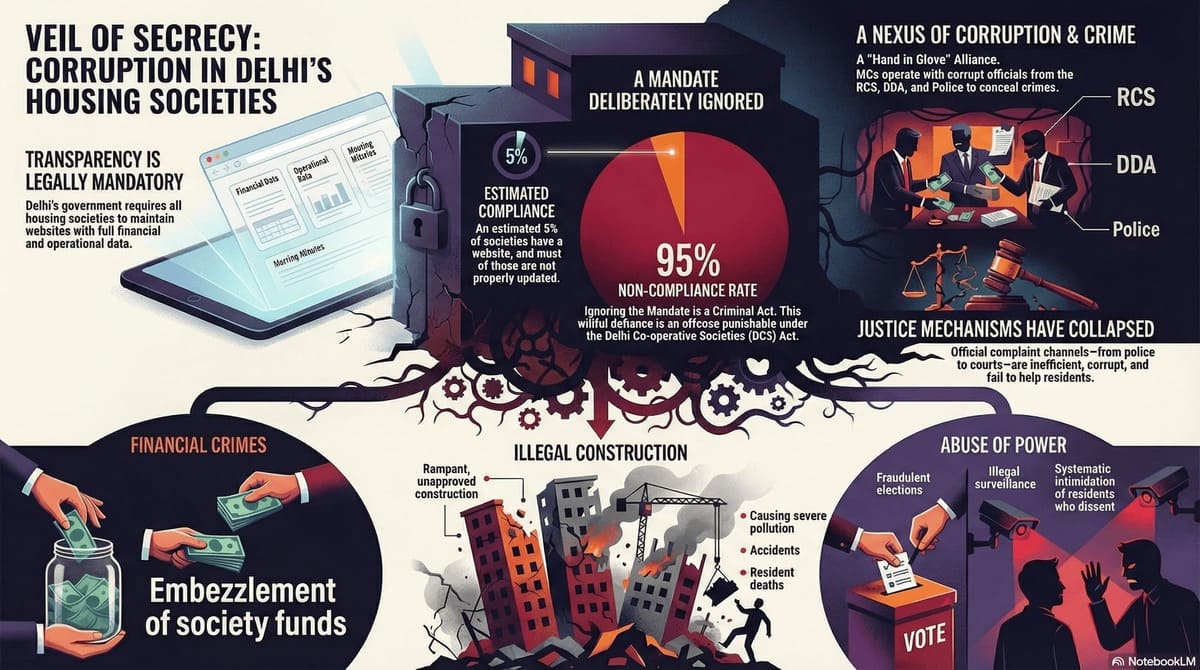
The Secret Rulebook: Understanding Corruption in Delhi’s Housing Societies

Understanding Corruption in Delhi's Housing Societies | RMN Foundation Report

The Secret Rulebook: Understanding Corruption in Delhi’s Housing Societies

The corruption is guaranteed to continue because the official channels for accountability and justice have effectively collapsed. Residents who try to fight back find themselves trapped in a system that is either indifferent, corrupt, or actively working against them.

By Rakesh Raman
New Delhi | January 12, 2026

Introduction: The Broken Promise of Community Living

A cooperative housing society is supposed to be a community built on shared responsibility and mutual benefit. It’s an idea that promises residents a secure, harmonious, and well-managed place to live. However, for millions of people in Delhi, this promise has been broken. Their communities have become centers of crime, widespread corruption, and systemic harassment.

This document explains why this is happening by focusing on one central problem: a deliberate and calculated lack of transparency. We will explore how a simple rule designed to ensure honesty has been systematically ignored, creating a hidden world where corruption is allowed to thrive. read more