Tag: Nobel Peace Prize

Representational AI-generated image of a street protest. Photo: RMN News Service

Global Stability and Institutional Integrity: A February 2026 Intelligence Briefing
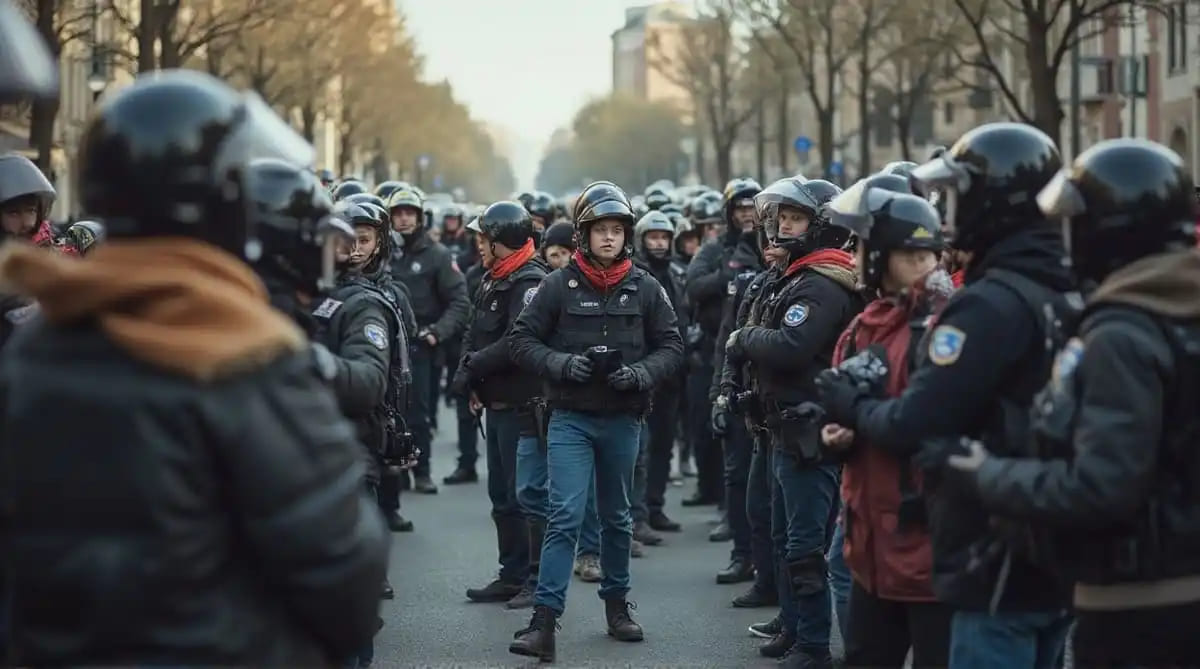
Representational AI-generated image of a street protest. Photo: RMN News Service

Global Stability and Institutional Integrity: A February 2026 Intelligence Briefing

The intelligence landscape of 2026 is characterized by a convergence of domestic institutional decay and the rapid acceleration of technological power. From the “smokescreen” of Indian electoral opacity to the “brutal” acknowledgments of state violence in Iran, the failure of domestic integrity is necessitating a move toward international accountability.

By Rakesh Raman
New Delhi | February 3, 2026

1. The Erosion of Electoral Transparency: Case Study – India

Electoral verification represents the terminal safeguard of democratic legitimacy. In the current geopolitical climate, the implementation of technological “smokescreens” has evolved into a primary risk vector, threatening to replace representative governance with managed illusions of consent. When the technical mechanisms of suffrage become opaque, they cease to be tools of the citizenry and instead function as instruments of institutional capture. read more
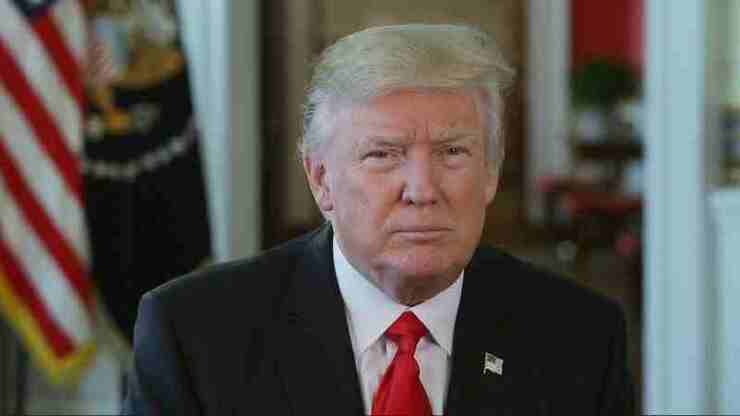
Can Trump Bring Justice to Kashmiris Living Under Siege? A Nobel Peace Prize May Depend on It U.S. President Donald Trump. Photo: White House (file photo)

Can Trump Bring Justice to Kashmiris Living Under Siege?

Can Trump Bring Justice to Kashmiris Living Under Siege? A Nobel Peace Prize May Depend on It U.S. President Donald Trump. Photo: White House (file photo)
Can Trump Bring Justice to Kashmiris Living Under Siege? A Nobel Peace Prize May Depend on It. U.S. President Donald Trump. Photo: White House (file photo)

Can Trump Bring Justice to Kashmiris Living Under Siege?

A Nobel Peace Prize May Depend on It

By RMN Foundation / Human Rights Desk
September 15, 2025

Kashmir—once called paradise on Earth—has, for decades, become a symbol of unending suffering for its people, particularly for the persecuted Muslim communities who make up the majority of the population in the region. Following the Pahalgam terror attack in April 2025, renewed violence between India and Pakistan once again threatened to plunge South Asia into chaos.

But amidst the geopolitical crisis, U.S. President Donald Trump has stepped forward claiming credit for brokering a ceasefire between the two nuclear powers. He has also suggested that the United States is ready to mediate a resolution to the Kashmir dispute—a long-standing conflict that has left generations of Kashmiris trapped in what many describe as an open-air prison. read more

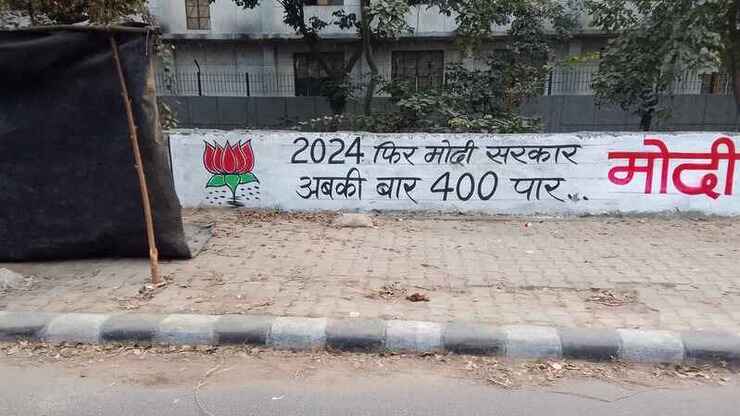
Election on EVMs. A wall painting in New Delhi shows Modi’s party BJP will win more than 400 seats in the 2024 Lok Sabha election. Photo by Rakesh Raman / RMN News Service

India Risks Losing Democratic Status Amid Widespread Election Fraud Allegations

Election on EVMs. A wall painting in New Delhi shows Modi’s party BJP will win more than 400 seats in the 2024 Lok Sabha election. Photo by Rakesh Raman / RMN News Service

India Risks Losing Democratic Status Amid Widespread Election Fraud Allegations

By RMN Foundation News Team
August 2, 2025 | New Delhi

Mounting allegations of electoral fraud and political interference have raised serious concerns about the future of democracy in India. The August 1–15, 2025 issue of The Unrest magazine, published by RMN News, highlights these troubling developments, warning that the country’s democratic framework may be in jeopardy if transparency and accountability continue to erode.

The lead story examines intensified claims of election manipulation, with opposition leaders accusing the ruling regime and the Election Commission of undermining free and fair elections. The publication notes a growing chorus of voices — both domestic and international — questioning the integrity of India’s electoral processes, which are increasingly viewed as compromised by systemic bias and lack of institutional independence. read more